

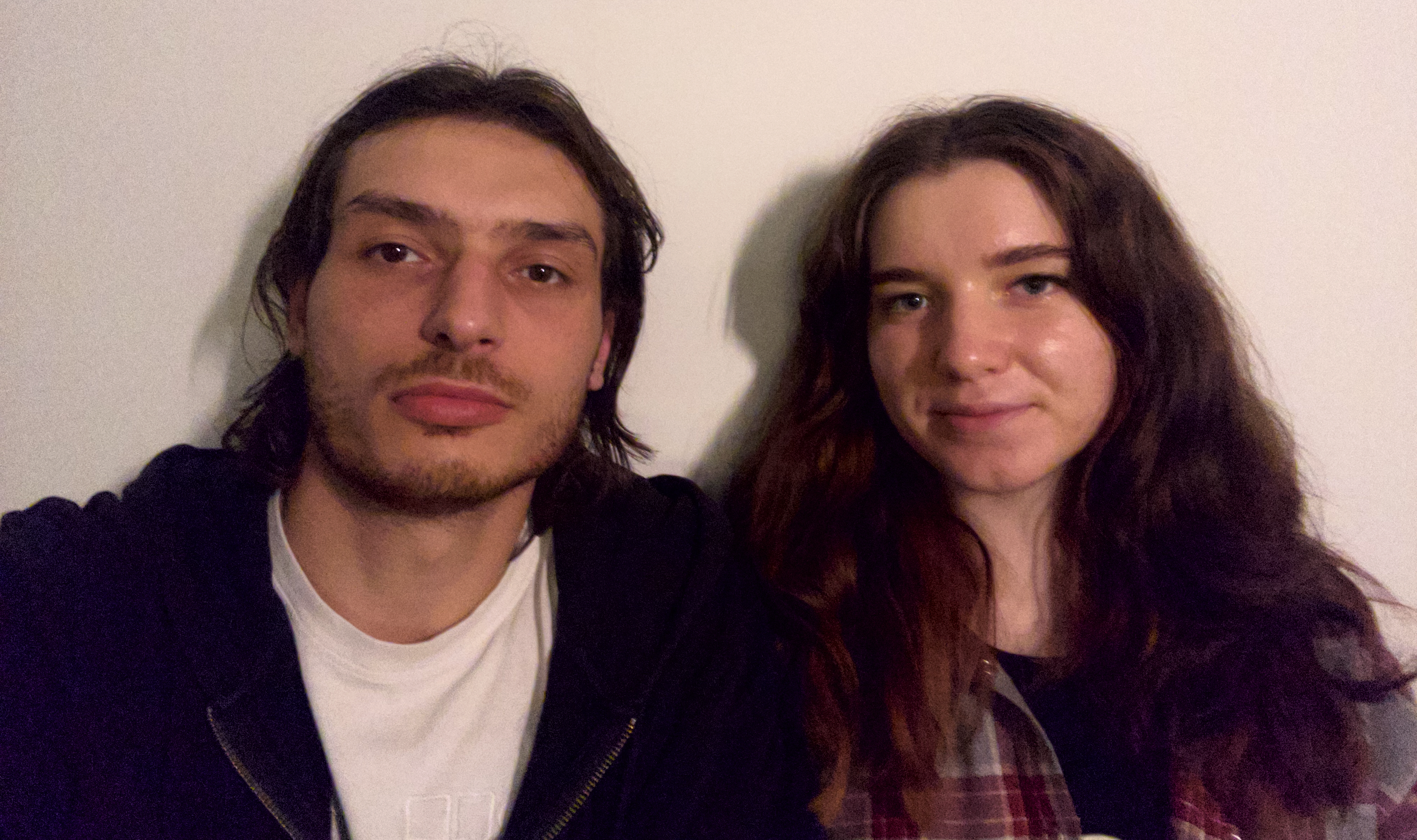
I'm Vladyslav Holovin, a Second Engineer with Seaspan Ferries Corporation (marine engineering, one week on board / one week at home). I moved to Canada from Ukraine in December 2022 and am building a new life here - this apiary project is part of that. I hold a Master's degree from the National University "Odessa Maritime Academy" (Ukraine) and have completed a structured eco-beekeeping training program covering bee biology, seasonal apiary management, natural/organic treatment methods, apiary siting criteria, and the economics of running a small apiary. I'm building this project together with my partner, who brings extensive hands-on farming experience from her family's operation in Ukraine - over 5 hectares under cultivation, two large greenhouses, two orchards with a range of fruit trees, and berry crops (raspberries, strawberries, gooseberries), alongside livestock and poultry (cattle, horses, pigs, goats, pheasants, ducks, turkeys, geese, rabbits). She also spent two years directly observing and helping her father keep bees. She's currently in her 4th year at the National Pharmaceutical University in Kharkiv, training as a clinical pharmacist, with hands-on experience in pharmaceutical industrial production - a skill set that opens the door to producing natural, ecological healing ointments from our own bee products (propolis-based) as a future value-added line. We plan to relocate and live on-site full-time. During my on-duty rotation weeks I'll be away working (living aboard the vessel), and my partner will independently manage day-to-day operations during that time, so the apiary's care continues uninterrupted. Our goal is to establish a small eco-apiary run to strict natural/organic standards - no synthetic miticides or antibiotics, no sugar-syrup feeding beyond emergency spring feeding, natural wood hives and wax foundation, and a site free from pesticide drift. We plan to start with roughly 10–20 hives and grow toward 100 over three years, alongside a small personal-use vegetable garden/greenhouse. We plan to produce honey (liquid and comb), beeswax, propolis, pollen/bee bread, and potentially royal jelly - up to 8–10 distinct bee products - with a longer-term line of propolis-based healing ointments drawing on my partner's pharmaceutical training. We'd also like to explore small-scale eco-certification and agritourism down the road. We've drafted a Business Model Canvas (Key Partners, Key Activities, Value Proposition, Customer Segments, Channels, Cost Structure, Revenue Streams) and are refining the figures to local B.C. costs and market prices. The project is self-funded through stable ongoing employment income for the initial build-out, though we're open to investors or grants to support future expansion.
Fertile soil matters most - it doesn't need to be freshly tilled, but should be naturally fertile. A tidy, open meadow or pasture with existing ground cover (clover or wildflowers a bonus) is ideal. If the surrounding area doesn't already offer strong natural forage, we'd like the option to seed our own pollinator-friendly forage crop on part of the land, so the bees have a reliable, pesticide-free food source rather than depending on a neighboring property that may use chemicals.
525 Foster Avenue, 1101
Coquitlam, BC, V3J 0H6
CA